
Paul David Cotter
Seqbiome Ltd
Ireland
Editor-in-Chief

Frontiers in Microbiology is a leading journal in its field, exploring strategies to mitigate the detrimental effects of anthropogenic activities on the abundance, diversity, and activity of microbial communities. Ind...
About the journal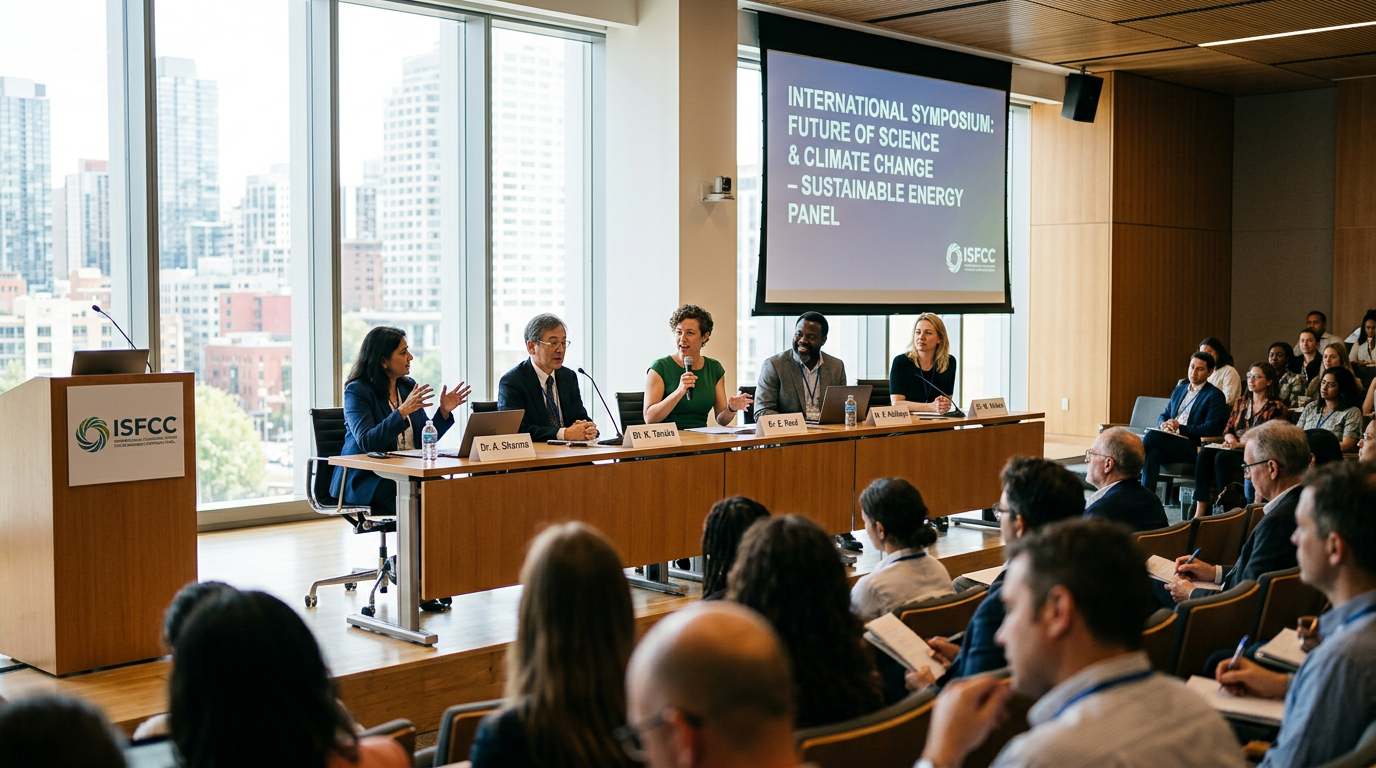
Start your submission and get more impact for your research by publishing with us.
Ready to publish? Check our author guidelines for everything you need to know about submitting, from choosing a journal and section to preparing your manuscript.

Reviewing a manuscript? See our editor guidelines for everything you need to know about the Frontiers peer review process.
Our rigorous and transparent peer review combines expert assessment with constructive dialogue to strengthen your manuscript.
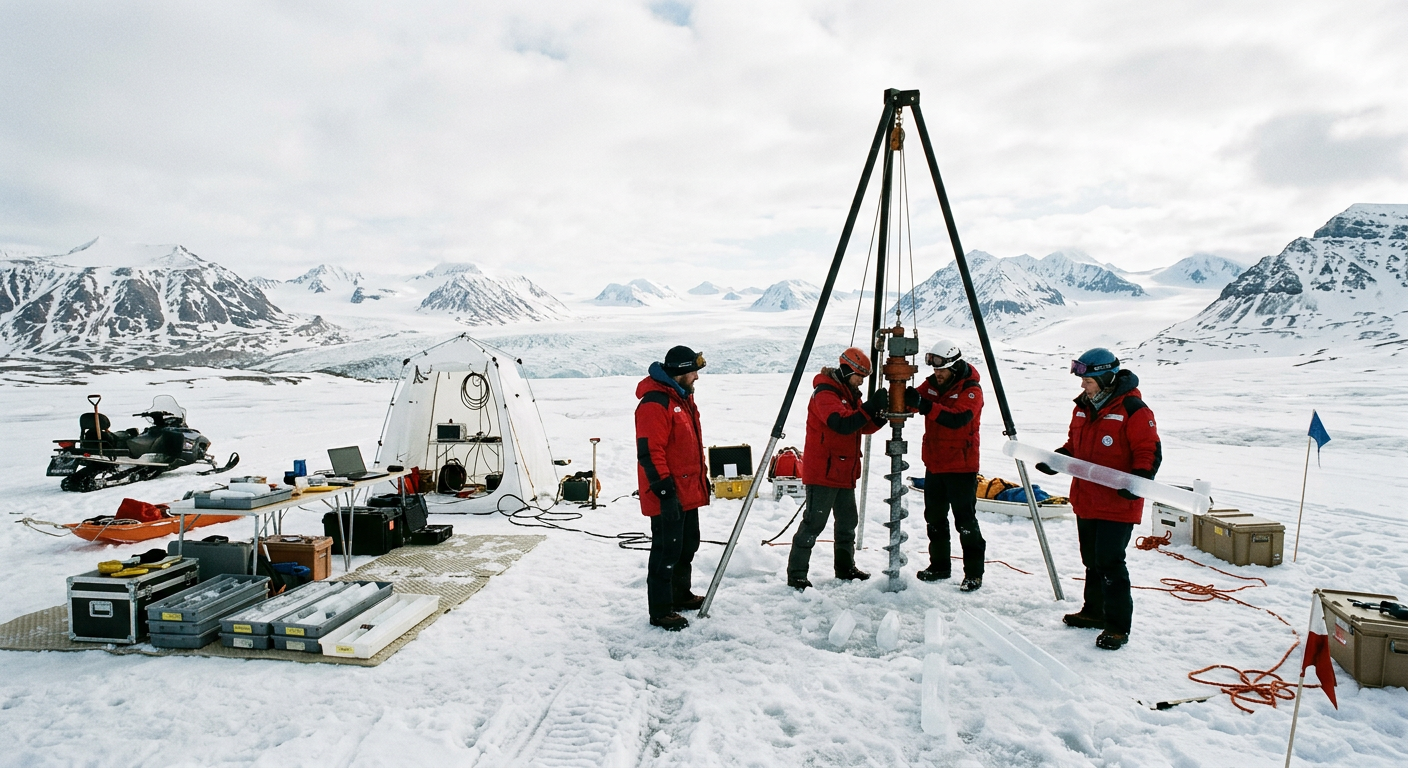
Article processing charges apply to articles accepted for publication by our external editors after rigorous peer review.
Seqbiome Ltd
Ireland
Editor-in-Chief
University of Teramo
Italy
Specialty Chief Editor
Food Microbiology
University of North Carolina at Chapel Hill
United States
Specialty Chief Editor
Extreme Microbiology
University of the Witwatersrand
South Africa
Specialty Chief Editor
Virology
Institut National de recherche pour l’agriculture, l’alimentation et l’environnement (INRAE)
France
Specialty Chief Editor
Infectious Agents and Disease
Virginia Tech
United States
Specialty Chief Editor
Physiology and Metabolism of Microorganisms
Bigelow Laboratory For Ocean Sciences
United States
Specialty Chief Editor
Microbiological Chemistry and Geomicrobiology
Massey University, School of Veterinary Science
New Zealand
Specialty Chief Editor
Microbiotechnology
2,297 editors · 0 reviewers
Original Research
Published
Jeany Söhnlein · Sascha Schäuble · Juan Prada Salcedo · Zahraa Abboud · Dalia Sheta · Kerstin Hünniger-Ast · Michelle Seif · Hermann Einsele · Thomas Dandekar · Gianni Panagiotou · Andreas Beilhack · Juergen Loeffler
Frontiers in Microbiology
doi 10.3389/fmicb.2026.1922948
Original Research
Published
Yuxiang Song · Zhongjun Jia
Frontiers in Microbiology
doi 10.3389/fmicb.2026.1957381
Original Research
Published
You Luo · Yu Wang · Zhufeng Shi · Zilin Li · Te Pu · Yanni Wang · Ming Ni · Xun He · Jing Li · Chenying Li · Xuewei Li · Peiwen Yang
Frontiers in Microbiology
doi 10.3389/fmicb.2026.1983930
Original Research
Published
Ding Li · Yijun Liu · Xiaoping Wu · Yulin Lu · Xinyu Wu · Xiyao Liu
Frontiers in Microbiology
doi 10.3389/fmicb.2026.1992256
Original Research
Published
Min Cui · Sheng Li · Chenyu Wang · Jingxiu Dou · Yunyun Zhu · Qin Chen
Frontiers in Microbiology
doi 10.3389/fmicb.2026.1941602
Review
Published
Yushan Hu · Yiru Liu · Haiyan Yao · Siteng Wang · Yice Gao · Ruixue Li · Hui Sun
Frontiers in Microbiology
doi 10.3389/fmicb.2026.1979411
General Commentary
Published
Wenjie Guo · Ke Xue
Frontiers in Microbiology
doi 10.3389/fmicb.2026.1976224
Original Research
Published
Hongqing Bai · Guoqiang Qiu · Jian Shi · Yu Xue · Wenwen Dai · Qian Liu · Xiaolong Zhou · Ke He
Frontiers in Microbiology
doi 10.3389/fmicb.2026.1909232
Open for submissions
Open for submissions
Open for submissions
Frontiers in Microbiology is a leading journal in its field, exploring strategies to mitigate the detrimental effects of anthropogenic activities on the abundance, diversity, and activity of microbial communities. Indexed in PubMed Central (PMC), Scopus and the DOAJ, the journal explores the habitable world and the potential of microbial life. Led by Field Chief Editor Prof Paul D. Cotter (Co-founder and CTO of SeqBiome; Senior Principal Research Office, Teagasc Food Research Centre), this multidisciplinary journal welcomes submissions across the entire spectrum of microbiology and advances our understanding of the role microbes play in human lives, from health care to climate change. Topics include, but are not limited to: ancient DNA and forensic microbiology antimicrobials, resistance and chemotherapy aquatic microbiology biology of archaea extreme microbiology food microbiology infectious agents and disease microbe and virus interactions with plants microbial physiology and metabolism microbial symbioses microbiological chemistry and geomicrobiology microbiotechnology microorganisms in vertebrate digestive systems phage biology systems microbiology terrestrial microbiology virology. Manuscripts that focus solely on clinical aspects of diseases, such as treatment outcomes, clinical trials, patient management, and epidemiological studies, are not suitable for publication in this journal. Additionally, studies that are purely descriptive, such as the characterization of bacterial isolates or the description of new methods, without providing significant biological insights, are not within the scope of this journal. Furthermore, papers focused on the study of microscopic structures of macroorganisms that do not specifically focus on microbiological interactions with these structures, are out of scope for Frontiers in Microbiology. Frontiers’ journals require that manuscripts primarily comprising computational studies of public data, must include appropriate validation. Please refer to the Frontiers Standards for research methodology policy, for more information. Manuscripts not adhering to these standards will not be considered. Frontiers in Microbiology is committed to advancing developments in microorganism interactions by allowing unrestricted access to articles and communicating scientific knowledge to researchers and the public alike, to enable the scientific breakthroughs of the future.
Frontiers in Microbiology is a leading journal in its field, exploring strategies to mitigate the detrimental effects of anthropogenic activities on the abundance, diversity, and activity of microbial communities. Indexed in PubMed Central (PMC), Scopus and the DOAJ, the journal explores the habitable world and the potential of microbial life.
Led by Field Chief Editor Prof Paul D. Cotter (Co-founder and CTO of SeqBiome; Senior Principal Research Office, Teagasc Food Research Centre), this multidisciplinary journal welcomes submissions across the entire spectrum of microbiology and advances our understanding of the role microbes play in human lives, from health care to climate change.
Topics include, but are not limited to:
ancient DNA and forensic microbiology
antimicrobials, resistance and chemotherapy
aquatic microbiology
biology of archaea
extreme microbiology
food microbiology
infectious agents and disease
microbe and virus interactions with plants
microbial physiology and metabolism
microbial symbioses
microbiological chemistry and geomicrobiology
microbiotechnology
microorganisms in vertebrate digestive systems
phage biology
systems microbiology
terrestrial microbiology
virology.
Manuscripts that focus solely on clinical aspects of diseases, such as treatment outcomes, clinical trials, patient management, and epidemiological studies, are not suitable for publication in this journal. Additionally, studies that are purely descriptive, such as the characterization of bacterial isolates or the description of new methods, without providing significant biological insights, are not within the scope of this journal. Furthermore, papers focused on the study of microscopic structures of macroorganisms that do not specifically focus on microbiological interactions with these structures, are out of scope for Frontiers in Microbiology.
Frontiers’ journals require that manuscripts primarily comprising computational studies of public data, must include appropriate validation. Please refer to the Frontiers Standards for research methodology policy, for more information. Manuscripts not adhering to these standards will not be considered.
Frontiers in Microbiology is committed to advancing developments in microorganism interactions by allowing unrestricted access to articles and communicating scientific knowledge to researchers and the public alike, to enable the scientific breakthroughs of the future.
Source: https://www.frontiersin.org/journals/microbiology/about
Official section page: https://www.frontiersin.org/journals/microbiology/sections/ancient-dna-and-forensic-microbiology
Official section page: https://www.frontiersin.org/journals/microbiology/sections/antimicrobials-resistance-and-chemotherapy
Official section page: https://www.frontiersin.org/journals/microbiology/sections/aquatic-microbiology
Official section page: https://www.frontiersin.org/journals/microbiology/sections/biology-of-archaea
Official section page: https://www.frontiersin.org/journals/microbiology/sections/extreme-microbiology
Official section page: https://www.frontiersin.org/journals/microbiology/sections/food-microbiology
Official section page: https://www.frontiersin.org/journals/microbiology/sections/infectious-agents-and-disease
Official section page: https://www.frontiersin.org/journals/microbiology/sections/microbe-and-virus-interactions-with-plants
Official section page: https://www.frontiersin.org/journals/microbiology/sections/microbial-symbioses
Official section page: https://www.frontiersin.org/journals/microbiology/sections/microbiological-chemistry-and-geomicrobiology
Official section page: https://www.frontiersin.org/journals/microbiology/sections/microbiome-data-science
Official section page: https://www.frontiersin.org/journals/microbiology/sections/microbiotechnology
Official section page: https://www.frontiersin.org/journals/microbiology/sections/microorganisms-in-vertebrate-digestive-systems
Official section page: https://www.frontiersin.org/journals/microbiology/sections/phage-biology
Official section page: https://www.frontiersin.org/journals/microbiology/sections/physiology-and-metabolism-of-microorganisms
Official section page: https://www.frontiersin.org/journals/microbiology/sections/systems-microbiology
Official section page: https://www.frontiersin.org/journals/microbiology/sections/terrestrial-microbiology
Official section page: https://www.frontiersin.org/journals/microbiology/sections/virology
Fees are charged only after acceptance. Waivers and discounts are available for authors with limited funding.
Fees and waivers policySource: https://www.frontiersin.org/journals/microbiology/about
Internal metrics, calculated on this platform and maintained by the editorial office.
Source: official publisher page · retrieved 2026-10-16
Some values were updated by the editorial office on 2026-10-21.