
Laura Haynes
School of Medicine, University of Connecticut
United States
Field Chief Editor
Frontiers in Aging

To advance scientific knowledge of the aging process, investigate the mechanisms underlying agerelated diseases, encourage interdisciplinary and translational research, and support the development of evidencebased int...
About the journal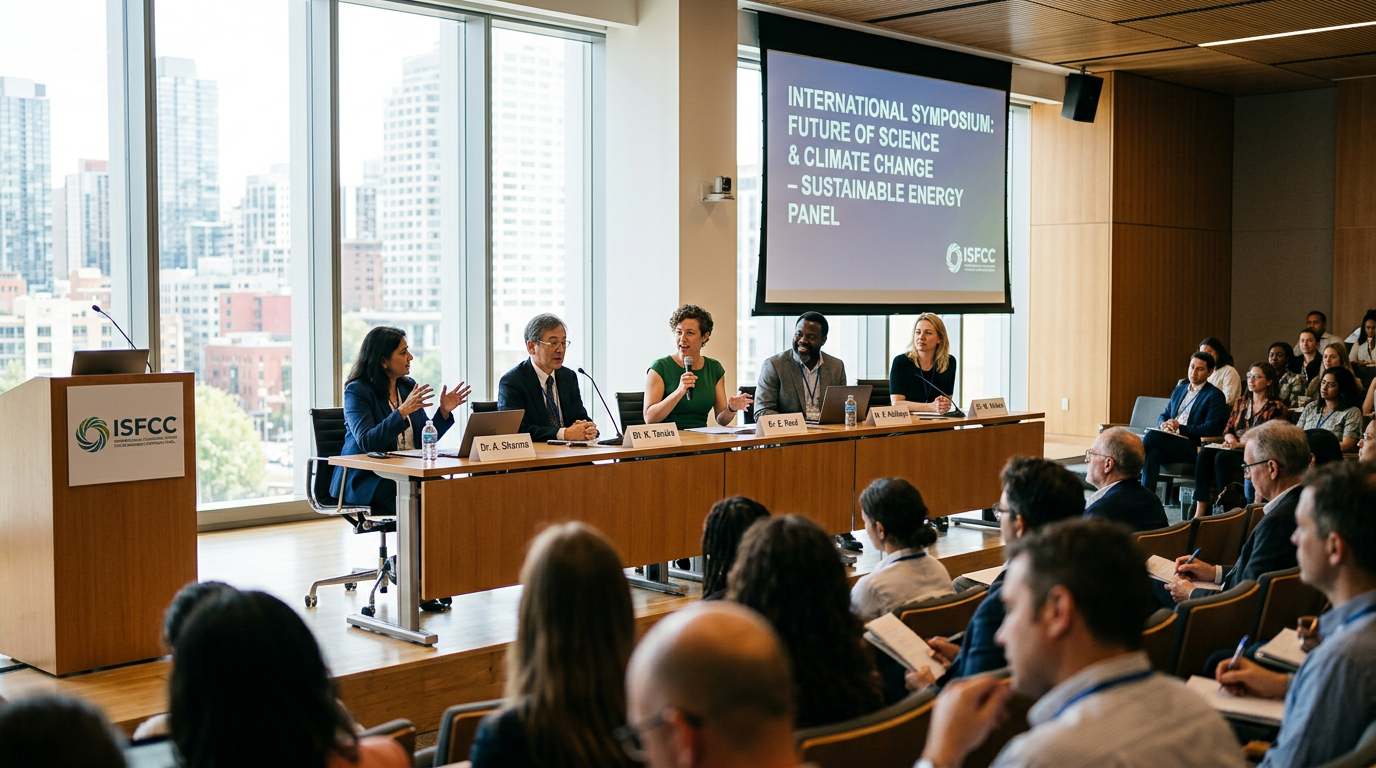
Start your submission and get more impact for your research by publishing with us.
Ready to publish? Check our author guidelines for everything you need to know about submitting, from choosing a journal and section to preparing your manuscript.

Reviewing a manuscript? See our editor guidelines for everything you need to know about the Frontiers peer review process.

Our rigorous and transparent peer review combines expert assessment with constructive dialogue to strengthen your manuscript.
Article processing charges apply to articles accepted for publication by our external editors after rigorous peer review.
School of Medicine, University of Connecticut
United States
Field Chief Editor
Frontiers in Aging
Pacific Institute of Marine Science
Editor-in-Chief
Fisheries
Universidad del Litoral
Review Editor
Environmental DNA
University of California, Irvine
United States
Specialty Chief Editor
Aging and the Immune System
University of Valencia
Spain
Specialty Chief Editor
Molecular Mechanisms of Aging
University of Cologne
Germany
Specialty Chief Editor
Healthy Longevity
University of Alabama at Birmingham
United States
Specialty Chief Editor
Aging, Metabolism and Redox Biology
University of Southern California
United States
Specialty Chief Editor
Genetics, Genomics and Epigenomics of Aging
305 editors · 1 reviewer
Review
Published
Seyed Mohamadmehdi Moshtaghion · Maryam Shayan · Sarvesh Ramakrishnan · Andrew Ham · Ashkan Shafaei Gharehkoshan · Michael G. Morley · Nazlee Zebardast · Francisco Javier Díaz-Corrales · Enrique Rodríguez de la Rúa · Deeba Husain · Lucia Sobrin · Tobias Elze · David S. Friedman · Mohammad Eslami
Frontiers in Aging
doi 10.3389/fragi.2026.1912337
Mini Review
Published
Jianhua Zhang · Victor Darley-Usmar · Yun Li
Frontiers in Aging
doi 10.3389/fragi.2026.1920914
Original Research
Published
Keqin Zhang · Peidong Zhang · Ling Chen · Housheng Wang · Wubin Chen · Yusheng Zhu · Dai Li · Wenbin Lu
Frontiers in Aging
doi 10.3389/fragi.2026.1923192
Original Research
Published
Liyuan Zheng · Wei Cao · Yixuan Wang · Tengda Xu · Fada Wang · Leidan Zhang · Xinchao Liu · Taisheng Li
Frontiers in Aging
doi 10.3389/fragi.2026.1847033
Original Research
Published
Jialiang Xu · Hejin Cai · Yan Wang · Zhengsheng Hu · Ming Zhang · Qitao Tan
Frontiers in Aging
doi 10.3389/fragi.2026.1960201
Brief Research Report
Published
Giovanni Mario Pes · Steven N. Austad · Dan Buettner · Salvatore Pedde · Vittorio Romerio · Hiram Beltrán-Sánchez · S. Jay Olshansky
Frontiers in Aging
doi 10.3389/fragi.2026.1951042
Perspective
Published
David Hage · Rekha Pudur · Jan Golembiski
Frontiers in Aging
doi 10.3389/fragi.2026.1870661
Original Research
Published
Lyzbeth B. Ortiz-Barrios · Paola Garcia-delaTorre · Berenice Rivera-Paredez · Sergio Sánchez-García · Berenice Palacios-González
Frontiers in Aging
doi 10.3389/fragi.2026.1945744
Open for submissions
Open for submissions
Frontiers in Aging publishes multidisciplinary research investigating the biological mechanisms, physiological processes, and health consequences of aging. Its scope includes cellular senescence, molecular mechanisms of aging, genetics, genomics and epigenomics, aging and the immune system, aging-related cancer, metabolism and redox biology, musculoskeletal aging, healthy longevity, and interventions targeting age-related changes. The journal welcomes fundamental, translational, and applied research that advances understanding of aging and promotes healthier lives.
To advance scientific knowledge of the aging process, investigate the mechanisms underlying age-related diseases, encourage interdisciplinary and translational research, and support the development of evidence-based interventions that promote healthy longevity and improve quality of life in older populations.
Research in ecology published in Marine Ecology & Conservation.
Research in oceanography published in Marine Ecology & Conservation.
Research in conservation published in Marine Ecology & Conservation.
Fees are charged only after acceptance. Waivers and discounts are available for authors with limited funding.
Fees and waivers policyManuscripts are evaluated by editors and independent reviewers within the relevant specialty section. Editorial decisions consider scientific quality, originality, methodological rigor, and relevance to the journal's scope.
Authors, editors, and reviewers must follow recognized standards of research integrity. Plagiarism, fabrication, falsification, duplicate submission, and undisclosed conflicts of interest are unacceptable.
All listed authors must have made meaningful contributions to the research, approved the final manuscript, and agreed to its submission.
Research involving human participants or animals must comply with applicable ethical standards and approval requirements. Informed consent and appropriate protections must be documented when applicable.
The journal publishes open-access research under the Creative Commons Attribution (CC BY) license. Authors retain copyright, subject to the applicable licensing terms.
Authors should provide a data availability statement and make supporting research data accessible when ethically and legally possible.
Corrections, expressions of concern, or retractions may be issued when necessary to preserve the accuracy and integrity of the scientific record.
Article processing charges, applicable discounts, and institutional funding arrangements must be communicated transparently before publication.
Internal metrics, calculated on this platform and maintained by the editorial office.
Source: official publisher page · retrieved 2026-10-16
Some values were updated by the editorial office on 2026-10-17.